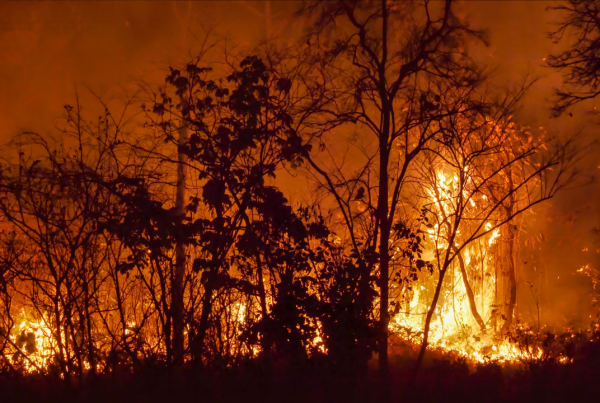
As climate change intensifies, the frequency and severity of wildfires are increasing globally, posing significant risks to ecosystems, human lives, and property. Early detection and rapid response are critical in minimizing the damage caused by these fires. Artificial Intelligence (AI) has emerged as a vital tool in enhancing wildfire detection and management efforts. Here, we explore how AI technologies are transforming the approach to detecting and combating wildfires.
1. Enhanced Detection Capabilities
Traditional methods of wildfire detection, such as satellite monitoring and ground-based observations, can be limited by delays and the need for human interpretation. AI significantly improves the speed and accuracy of wildfire detection. AI systems can analyze data from satellite images, drones, and ground sensors in real-time to identify signs of wildfires more quickly than traditional methods. By integrating machine learning algorithms, these systems can detect slight changes in the landscape, smoke patterns, or heat signatures that may indicate the start of a wildfire.
2. Predictive Analytics for Fire Behavior
AI can do more than detect existing fires; it can also predict how a fire might spread. This predictive capability is crucial for effective firefighting and evacuation planning. AI models can analyze historical data on weather patterns, vegetation types, and past wildfires to predict the potential behavior of a fire under various conditions. This information allows firefighters to strategize more effectively, focusing resources on areas most at risk and anticipating the fire’s path to better protect communities and natural resources.
3. Real-Time Monitoring and Data Integration
AI facilitates the integration of various data streams, such as weather data, human activity, and topographical information, into a unified system that provides a comprehensive view of the wildfire risk landscape. Real-time monitoring through AI helps in making informed decisions quickly. For instance, AI can assess the impact of a sudden change in weather on a fire’s behavior or predict the effects of a planned firebreak. This integrated approach enables a more proactive and dynamic response to wildfires.
4. Automating Resource Allocation
Efficient allocation of limited firefighting resources is another area where AI makes a significant impact. By analyzing the scale, intensity, and potential spread of a fire, AI systems can recommend optimal deployment strategies for firefighting crews, aerial support, and evacuation efforts. This helps to maximize the effectiveness of the response efforts and can significantly reduce the time taken to control and extinguish fires.
5. Public Safety and Communication
AI also plays a crucial role in enhancing public safety through better communication. AI-driven systems can automatically send alerts and updates to communities at risk from approaching wildfires. By processing real-time data, these systems can provide residents with timely, actionable information, such as the best evacuation routes and nearest safe zones. This not only helps in reducing panic but also ensures a more organized evacuation process.
6. Addressing Challenges and Ethical Considerations
While AI offers remarkable benefits in wildfire detection and management, it also presents challenges, such as the need for vast amounts of data and potential biases in AI models. Furthermore, reliance on AI must be balanced with human expertise to ensure that the decisions made are sensitive to local environmental and social contexts. Ensuring the ethical use of AI, protecting privacy, and maintaining data security are also critical concerns that need to be addressed as these technologies are implemented.
Conclusion
AI’s role in detecting and managing wildfires is becoming increasingly indispensable as these natural disasters grow in frequency and intensity. By enhancing detection capabilities, providing predictive insights, and optimizing resource allocation, AI can significantly mitigate the impact of wildfires. However, as with any powerful technology, careful consideration and management of AI’s limitations and ethical implications are essential for its successful integration into wildfire management strategies. With thoughtful implementation, AI can be a formidable tool in the global fight against wildfires, saving lives, preserving ecosystems, and protecting properties.